
September 22, 2026
PetSafe® Expert
PetSafe® Guest
Pet Wellness Exams: What They Include, Cost, and How Often
A wellness exam is the most valuable appointment on your pet's calendar, and also the most misunderstood. It is easy to assume a healthy looking dog or cat can skip the vet until something goes wrong, but the whole point of a wellness visit is to find small problems while they are still easy and affordable to fix. This guide explains what a pet wellness exam is, what it costs, what your veterinarian checks, how often your pet needs one, and how the visit differs for dogs and cats.
Key points
- A wellness exam is a routine, head to tail health check for a pet that seems healthy, not a visit for a specific problem.
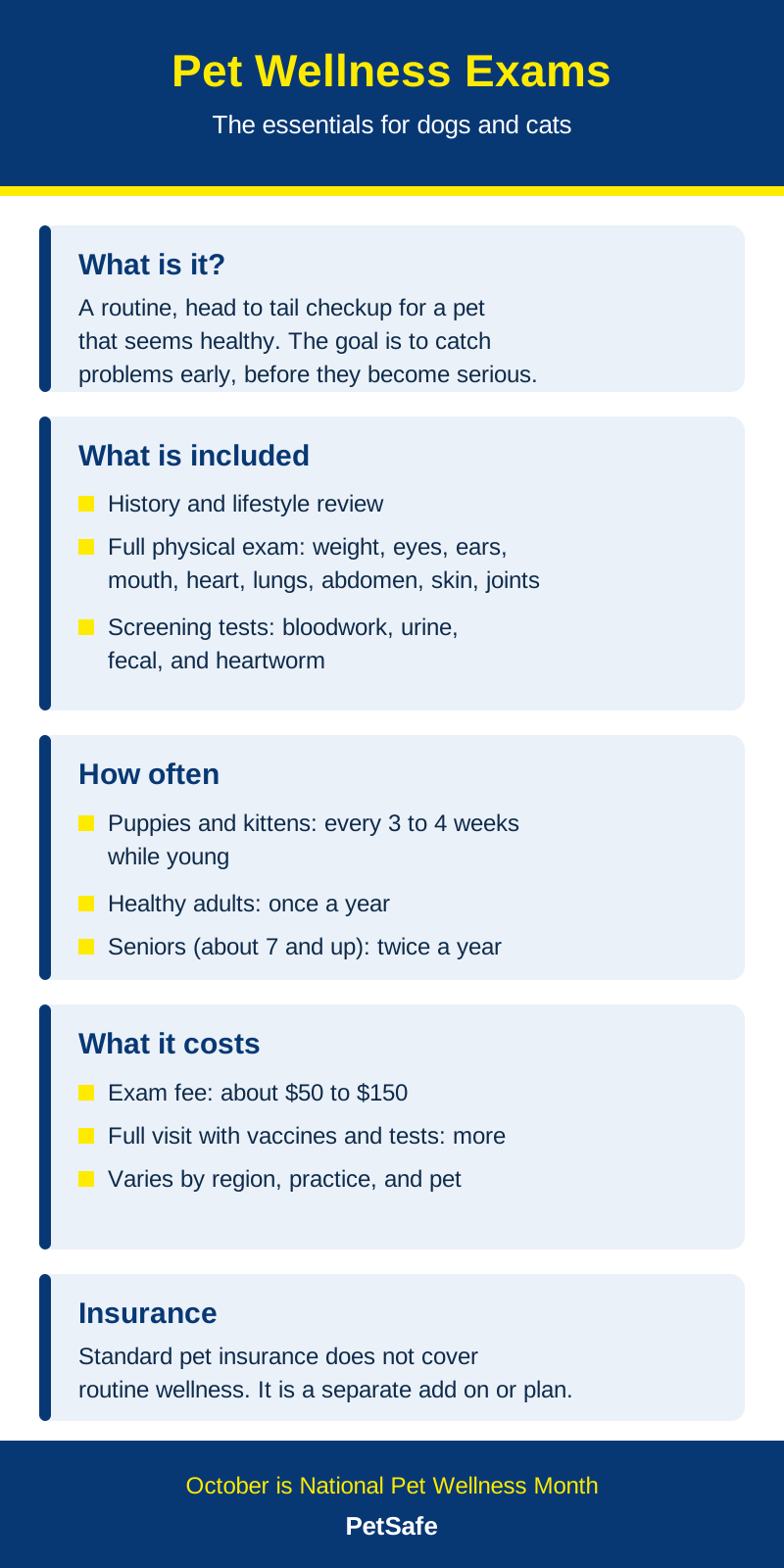
- Most healthy adult pets need one wellness exam a year. Puppies and kittens need a series of visits every few weeks, and senior pets usually need two visits a year.
- A basic exam fee commonly runs about $50 to $150, though a full visit with vaccines and testing can total more.
- Standard accident and illness pet insurance does not cover routine wellness care. Wellness coverage is a separate add on or plan.
- Roughly four out of five vet visits are for routine or preventive care, and early detection is the reason these visits save money over time.
In this article
- What is a pet wellness exam
- How much does a pet wellness exam cost
- Does pet insurance cover wellness exams
- What happens during a wellness exam
- How often does your pet need a wellness exam
- Wellness exam or just vaccines
- Preventive care your veterinarian covers at the visit
- How to choose a veterinarian and manage the cost
- How to prepare for the visit
- Dog and cat wellness exams, what is different
- Frequently asked questions
What is a pet wellness exam?
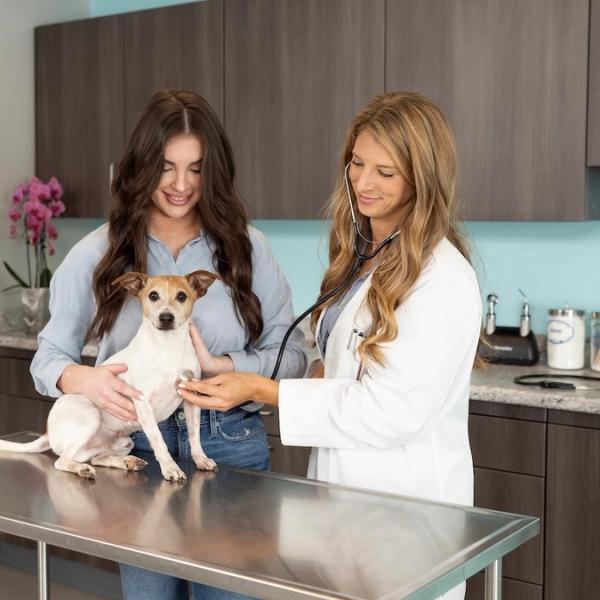
A pet wellness exam is a routine veterinary checkup for a pet that appears healthy. The veterinarian reviews your pet's history, performs a nose to tail physical examination, and may recommend screening tests. The goal is preventive: to catch disease early, keep parasite and vaccine protection current, and set a baseline for future visits.
A wellness exam is different from a sick visit. A sick visit addresses a specific symptom, such as vomiting or limping. A wellness exam is scheduled when nothing seems wrong, precisely so your veterinarian can spot the subtle changes that pets are experts at hiding. Dogs and cats both instinctively mask pain and early illness, which is why a trained exam and periodic testing often reveal problems long before an owner would notice them [3].
How much does a pet wellness exam cost?
The exam fee itself, the charge for the veterinarian's time and physical examination, commonly runs about $50 to $150 in the United States, though a full routine visit that adds vaccines and screening tests can total more [5]. National figures that blend everything into one number tend to land higher. Recent data from the American Veterinary Medical Association put the average routine visit in the low hundreds of dollars for dogs and somewhat less for cats, with dogs generally costing more because they are seen more often [3].
Several things drive the final number:
- What is included. A basic exam costs far less than a visit that adds a vaccine series, bloodwork, a fecal test, and heartworm screening.
- Life stage. Puppies, kittens, and seniors need more frequent visits, and older pets need more testing.
- Where you live. Urban and coastal areas tend to run higher than rural regions.
- Type of practice. A general practice charges less than a specialty or emergency hospital for the same routine care.
- Your pet. Size, temperament, and health history all affect what is needed.
Add on tests are usually priced separately. As a rough guide, a fecal exam and a urinalysis each tend to run in the low tens of dollars, while a full blood panel is typically higher [5]. Ask for an estimate when you book, and ask which items are recommended now and which can wait.
Does pet insurance cover wellness exams?
Usually not by default. Standard accident and illness pet insurance is built to reimburse unexpected problems such as injuries and disease. Routine services like wellness exams, vaccines, and dental cleanings fall outside that coverage [6]. To get help with routine costs, you generally add an optional wellness rider to a policy, or buy a separate wellness plan. These add ons reimburse routine care against a fixed yearly allowance, so they work more like a budgeting tool than true insurance [6].
Two practical notes. First, many veterinary practices sell their own in house wellness plans that bundle a year of routine care into monthly payments. These are payment plans, not insurance. Second, timing matters. Enrolling in a policy before your pet's first comprehensive exam gives you the best chance of avoiding pre existing condition exclusions later, because anything your veterinarian documents at a visit becomes part of the medical record [6].
What happens during a wellness exam?
A wellness visit has three parts: your pet's history, a physical examination, and any recommended screening tests.
History and lifestyle. Your veterinarian will ask about diet, appetite, thirst, energy, bathroom habits, behavior, exercise, travel, and any changes you have noticed at home. Your observations are part of the exam, so come ready to share them.
The physical examination. A thorough head to tail check typically covers body weight and body condition score, temperature and breathing, eyes, ears, nose, and mouth including a look at the teeth and gums, heart and lungs by stethoscope, the abdomen by gentle feel, skin and coat, lymph nodes, and joints and mobility [1]. Veterinarians are trained to fold pain and nutritional assessment into every one of these steps.
Screening tests. Depending on age and risk, your veterinarian may recommend a complete blood count and a blood chemistry panel, a urinalysis, a fecal test for intestinal parasites, and heartworm and tick borne disease testing [4]. In healthy pets these tests create a baseline. Run over time, they reveal trends long before a pet looks sick.
How often does your pet need a wellness exam?
Frequency depends on life stage:
- Puppies and kittens. Expect visits every three to four weeks from around eight to sixteen weeks of age, tied to the vaccine series and parasite testing, with developmental checks along the way [1].
- Healthy adults. At least one full wellness exam a year is the standard recommendation from the American Animal Hospital Association and feline veterinary groups [1][2].
- Seniors. Older pets, generally around seven years and up, and earlier for large and giant breed dogs, benefit from two visits a year. Organ function can shift meaningfully within six months in an older animal, so twice yearly exams with bloodwork are designed to catch changes early [1].
One myth worth retiring is the idea that one human year equals seven pet years. Pets age fastest in their first couple of years, and the pace varies by species and by size, which is part of why life stage, not a fixed multiplier, should guide the schedule [4]. For a broader look at care across your pet's life, see our guide to responsible pet ownership.
Wellness exam or just vaccines?
It is common to think of the yearly trip to the vet as getting shots, but the exam is the more valuable half of the visit. Vaccines protect against specific diseases. The physical examination and screening tests are what actually catch emerging problems: a heart murmur, a dental infection, gradual weight loss, a new lump, or early kidney or thyroid changes. Asking only for vaccines and skipping the exam means giving up the part of the visit most likely to add healthy years. You can learn more in our overview of the basics on pet vaccines.
Preventive care your veterinarian covers at the visit
A wellness exam is also the moment to keep the rest of your pet's preventive care current:
- Vaccines. Core vaccines are recommended for nearly all pets. Others are advised based on lifestyle and regional risk.
- Parasite prevention. Year round flea and tick control and heartworm prevention are widely recommended, with an annual heartworm test and a fecal exam one to four times a year depending on lifestyle [1].
- Dental health. Your veterinarian checks the teeth and gums and can advise when a professional cleaning is due.
- Nutrition and weight. Body condition scoring at each visit catches gradual weight gain, one of the most common and preventable health problems in pets. Your veterinarian may also discuss diet and hydration, and our tips on keeping your pet hydrated can help between visits.
- Behavior. Changes in behavior are often the first sign of a medical issue, so this is the time to raise them.
October is recognized as National Pet Wellness Month, a yearly reminder from the veterinary community that routine care, not just crisis care, is what keeps pets healthy [3].
How to choose a veterinarian and manage the cost
If you are choosing a practice, look for one that communicates clearly, welcomes your questions, and is upfront about costs. A good clinic gives you an estimate before performing tests and explains which recommendations are urgent and which can be planned for. Accreditation, a convenient location and hours, and a calm, low stress approach to handling animals are all worth weighing.
To keep costs predictable without cutting corners on care:
- Book wellness visits on schedule, since early detection is almost always cheaper than treating an advanced problem [3].
- Ask for a written estimate and prioritize recommended tests by urgency.
- Compare the math on a wellness add on or plan against what your pet actually needs in a year.
- Keep parasite prevention current, since prevention costs less than treatment.
How to prepare for the visit
A little preparation makes the appointment smoother and more useful:
- Bring your pet's records, including vaccine history, if the clinic is new to you.
- Collect a fresh stool sample if your veterinarian requested one.
- Write down your questions and any changes you have noticed at home.
- Note your pet's current food, treats, and any medications or supplements.
- If bloodwork is planned, ask whether your pet should fast beforehand.
- Bring dogs on a secure leash and cats in a carrier to keep the visit calm and safe.
Dog and cat wellness exams, what is different
The core visit is similar for both species, but the details differ enough to matter. Dogs vary enormously by breed and size, which changes when they reach their senior years and what their veterinarian watches for. Cats are famously good at hiding illness and are seen by veterinarians far less often than dogs, which makes routine exams especially important for catching hidden disease. Handling and stress reduction also look different for a nervous cat than for an excitable dog. For the specifics, read our companion guides to dog wellness exams and cat wellness exams.
Frequently asked questions
What is a pet wellness exam?
A pet wellness exam is a routine checkup for a pet that appears healthy. Your veterinarian reviews your pet's history, performs a head to tail physical examination, and may recommend screening tests to catch problems early and set a baseline for future visits.
What is included in a pet wellness exam?
A typical visit includes a history and lifestyle review, a full physical examination covering weight and body condition, temperature, eyes, ears, mouth, heart, lungs, abdomen, skin, and joints, and, depending on age and risk, screening tests such as bloodwork, a urinalysis, a fecal test, and heartworm testing.
How much does a pet wellness exam cost?
The exam fee alone commonly runs about $50 to $150, while a full visit with vaccines and testing can total more. Cost varies by region, type of practice, your pet's life stage, and which tests are included.
Does pet insurance cover wellness exams?
Standard accident and illness pet insurance usually does not cover routine wellness care. Wellness exams, vaccines, and other preventive services are typically covered only through an optional wellness add on or a separate wellness plan.
How often should my pet have a wellness exam?
Most healthy adult pets need one wellness exam a year. Puppies and kittens need visits every few weeks during their first months, and senior pets generally benefit from two exams a year.
What is the difference between a wellness exam and vaccines?
Vaccines protect against specific diseases, while the wellness exam is the physical examination and testing that catch emerging problems. The exam is the part of the visit most likely to find issues early, so it is worth more than the shots alone.
How do I prepare for my pet's wellness exam?
Bring your pet's records if the clinic is new, a fresh stool sample if requested, a list of questions and any changes you have noticed, and details of current food and medications. Ask whether your pet should fast if bloodwork is planned.
When is National Pet Wellness Month?
National Pet Wellness Month is observed every October. It is a reminder from the veterinary community that routine, preventive care is what keeps pets healthiest over their lives.
Citations and sources
- American Animal Hospital Association (AAHA), Canine Life Stage Guidelines and life stage care. aaha.org
- American Association of Feline Practitioners and AAHA, Feline Life Stage Guidelines. catvets.com
- American Veterinary Medical Association (AVMA), pet owner economics and preventive care resources. avma.org
- VCA Animal Hospitals, wellness examination and wellness testing library. vcahospitals.com
- Pawlicy Advisor, veterinary visit cost overview. pawlicy.com
- Progressive, does pet insurance cover routine care. progressive.com


Get Email Updates
Subscribe to the latest news, promotions, & more from PetSafe® brand.
Sign up today for the latest news, promotions, and more from PetSafe® brand.