September 22, 2026
PetSafe® Expert
PetSafe® Guest
Cat Wellness Exam: What It Includes, Costs, and How Often
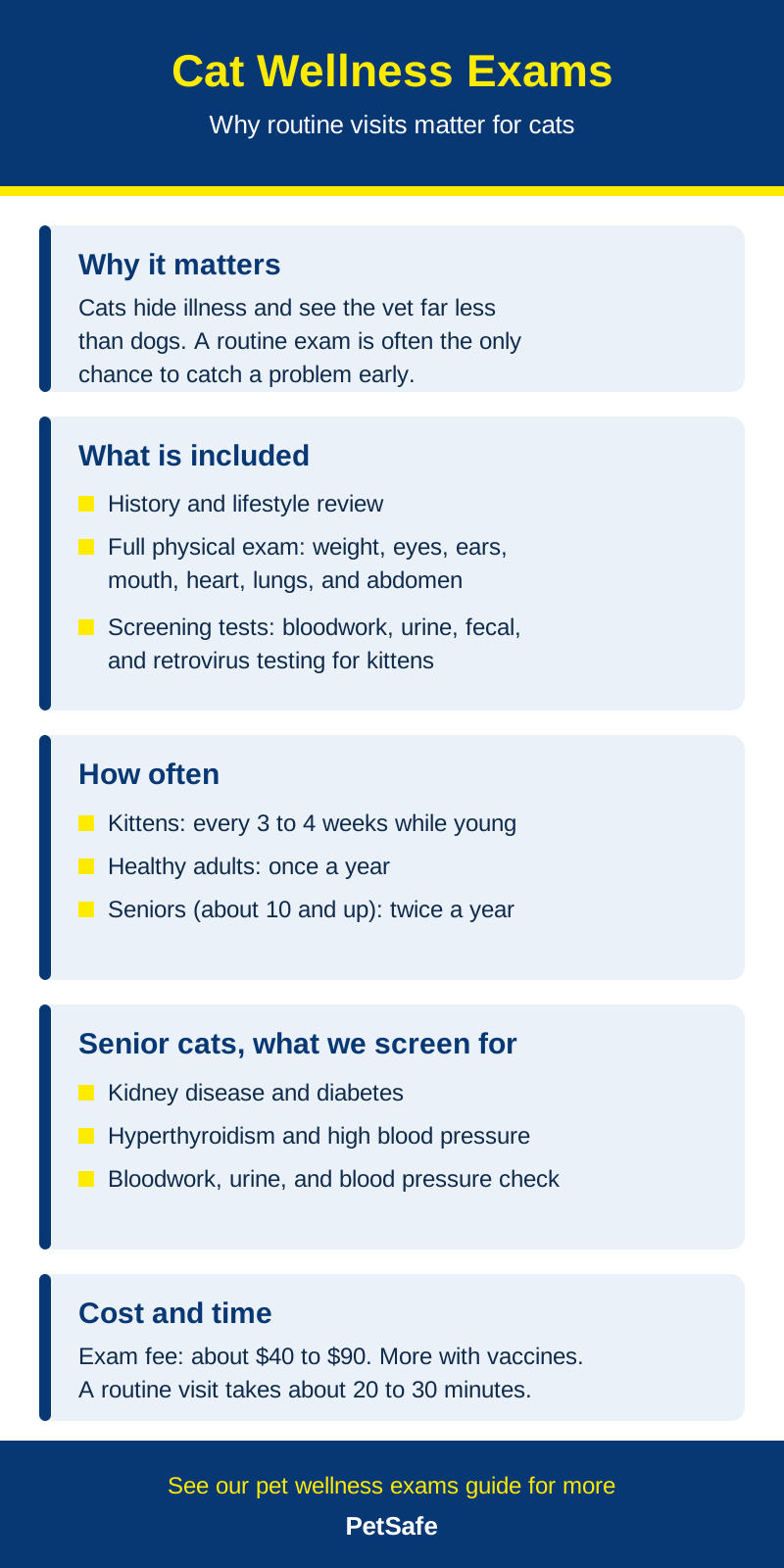
A cat wellness exam is the routine checkup that keeps a healthy cat healthy, and it matters more than many owners realize. Cats are experts at hiding illness, and they see the veterinarian far less often than dogs, so a wellness visit is often the only chance to catch a problem before it becomes serious. This guide covers what a cat wellness exam includes, what it costs, how long it takes, how often your cat needs one, and the senior screening that finds disease early. For the big picture across both species, start with our guide to pet wellness exams.
Key points
- A cat wellness exam is a routine, nose to tail health check for a cat that seems healthy, not a visit for a specific problem.
- Cats hide illness by instinct and are seen by veterinarians far less often than dogs, which makes routine exams especially important.
- Most healthy adult cats need one wellness exam a year. Kittens need a series of visits every few weeks, and senior cats usually need two visits a year.
- A basic exam fee commonly runs about $40 to $90, though a full visit with vaccines and testing can total more.
- Senior cats are screened for kidney disease, hyperthyroidism, high blood pressure, and diabetes, often before any symptoms show at home.
In this article
- What is a cat wellness exam
- Why cats especially need wellness exams
- What happens during a cat wellness exam
- How much does a cat wellness exam cost
- How long does a cat wellness exam take
- How often does a cat need a wellness exam
- Senior cat wellness exams
- Making the vet visit less stressful for your cat
- Frequently asked questions
What is a cat wellness exam?
A cat wellness exam is a routine veterinary checkup for a cat that appears healthy. The veterinarian reviews your cat's history, performs a nose to tail physical examination, and may recommend screening tests. The goal is preventive: to catch disease early, keep vaccines and parasite protection current, and build a baseline for future visits.
Unlike a sick visit, which addresses a specific symptom such as vomiting or a limp, a wellness exam is scheduled when nothing seems wrong. That timing is the point, because the subtle changes that signal early illness are easy to miss at home.
Why cats especially need wellness exams
Cats evolved to hide weakness, a survival instinct that makes them very good at masking pain and early illness [3]. Owners often do not notice a problem until a disease is advanced. Cats are also seen by veterinarians far less often than dogs. In recent national data, about 57 percent of cat owning households visited a veterinarian in the past year, compared with about 74 percent of dog owners [2]. That gap means many cats go years between checkups, which is exactly why routine exams matter so much. A yearly visit gives your veterinarian the chance to catch weight changes, dental disease, or early organ problems while they are still manageable. If you are new to cat care, our guide to cats 101 covers the basics.
What happens during a cat wellness exam?
A wellness visit has three parts: your cat's history, a physical examination, and any recommended screening tests.
History and lifestyle. Your veterinarian will ask about diet, appetite, thirst, litter box habits, energy, grooming, behavior, and whether your cat goes outdoors. Small changes at home are meaningful, so come ready to share them.
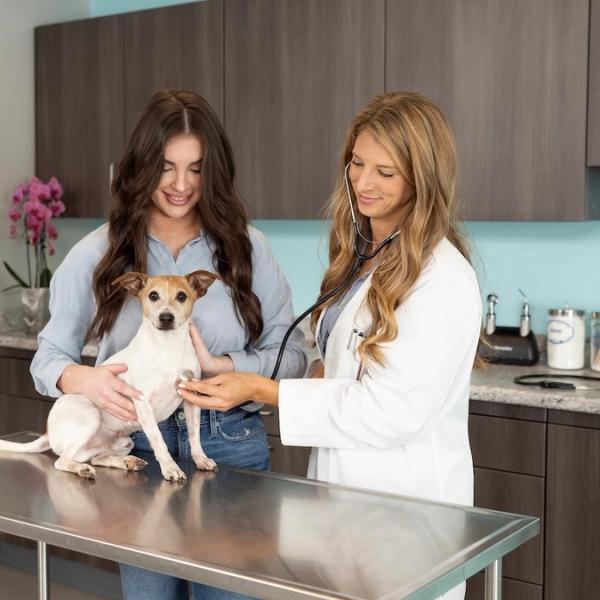
The physical examination. A thorough nose to tail check covers weight and body condition, temperature and breathing, eyes, ears, nose, and mouth including the teeth and gums, heart and lungs, and the abdomen by gentle feel, which in cats can let the veterinarian assess the kidneys and other organs [3]. Weight matters a great deal for cats, since gradual gain is common and largely preventable. Our guide on how much your cat should weigh explains healthy ranges, and how often to feed your cat can help you plan portions.
Screening tests. Depending on age and risk, your veterinarian may recommend a complete blood count and chemistry panel, a urinalysis, a fecal test, and, for kittens, feline leukemia and immunodeficiency virus testing [1][3]. In a healthy cat these set a baseline, and tracked over time they reveal trends long before your cat looks sick.
How much does a cat wellness exam cost?
The exam fee itself commonly runs about $40 to $90 in the United States, a little less on average than for dogs. A full visit that adds vaccines and testing totals more, and national averages that blend everything together land somewhat higher [5][2]. Add on tests are priced separately, so ask for an estimate when you book. Cost varies with what is included, your cat's life stage, where you live, and the type of practice.
One note on insurance: standard accident and illness pet insurance does not cover routine wellness care, so exam and vaccine costs are usually out of pocket unless you add a wellness plan. Our pet wellness exams guide covers this in detail.
How long does a cat wellness exam take?
A routine cat wellness exam usually takes about twenty to thirty minutes, covering the history, the physical examination, and any vaccines or simple tests. Senior visits often run longer, sometimes close to an hour, because they include more sample collection and a closer review of results. Booking a slightly longer appointment for an older cat is worth it.
How often does a cat need a wellness exam?
Frequency depends on life stage:
- Kittens. A visit every three to four weeks from about eight to sixteen weeks of age, tied to the vaccine series, parasite testing, and retrovirus screening.
- Healthy adults. At least one full wellness exam a year, the standard recommendation from feline veterinary groups [1].
- Seniors. Two visits a year, since a lot can change internally in six months for an aging cat [1].
Get the kitten essentials lined up with our new kitten checklist, read about the shots in the basics on pet vaccines, and see our guide to responsible pet ownership for care across every life stage.
Senior cat wellness exams
Cats are generally considered senior around age ten, though many veterinarians begin senior screening earlier, around age seven [1]. Once a cat is senior, an annual visit is no longer enough. Veterinarians recommend two wellness exams a year plus screening bloodwork, because the conditions most common in older cats develop quietly. A senior panel typically adds a complete blood count, a chemistry panel, a thyroid test, a urinalysis, and a blood pressure check [3].
The conditions your veterinarian is watching for include chronic kidney disease, hyperthyroidism, high blood pressure, and diabetes, all of which are far more treatable when caught early [4]. Many practices also use newer kidney markers that flag trouble sooner than older tests. For more on aging cats, see our answers to common questions about older cats, and since kidney health depends on steady water intake, our tips on keeping your pet hydrated are especially useful for senior cats.
Making the vet visit less stressful for your cat
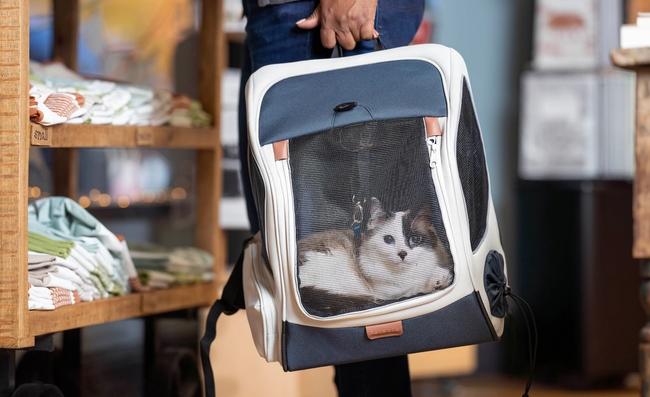
Many owners skip visits simply because getting a cat to the clinic is hard, so a few habits make a real difference. Leave the carrier out at home as a normal piece of furniture so it stops being a warning sign, and reward your cat for going inside. Line it with a familiar blanket, and consider draping a towel over it in the waiting room to reduce stress. Ask whether the practice uses low stress or cat friendly handling, and whether it offers cat only appointment times or a separate waiting area. Indoor cats need exams too, since many serious conditions have nothing to do with going outdoors.
Frequently asked questions
What is a cat wellness exam?
A cat wellness exam is a routine checkup for a cat that appears healthy. Your veterinarian reviews your cat's history, performs a nose to tail physical examination, and may recommend screening tests to catch problems early and set a baseline for future visits.
What does a cat wellness exam include?
A typical visit includes a history and lifestyle review, a full physical examination covering weight and body condition, temperature, eyes, ears, mouth, heart, lungs, and abdomen, and, depending on age and risk, screening tests such as bloodwork, a urinalysis, a fecal test, and retrovirus testing for kittens.
How much is a wellness exam for a cat?
The exam fee alone commonly runs about $40 to $90, a little less on average than for dogs. A full visit with vaccines and testing can total more, and cost varies by region, type of practice, your cat's life stage, and which tests are included.
How long does a cat wellness exam take?
A routine cat wellness exam usually takes about twenty to thirty minutes. Senior visits can run closer to an hour because they include more sample collection and a closer review of results.
How often should a cat have a wellness exam?
Most healthy adult cats need one wellness exam a year. Kittens need a visit every three to four weeks during their first months, and senior cats generally benefit from two exams a year.
What does a senior cat wellness exam include?
In addition to the standard physical exam, a senior cat visit usually adds a complete blood count, a chemistry panel, a thyroid test, a urinalysis, and a blood pressure check. These screen for common older cat conditions such as kidney disease, hyperthyroidism, high blood pressure, and diabetes. Most senior cats are seen twice a year.
Do indoor cats need wellness exams?
Yes. Indoor cats still develop conditions such as kidney disease, dental disease, weight problems, and hyperthyroidism, none of which depend on going outdoors. Routine exams catch these issues early, when they are easiest to manage.
Citations and sources
- American Association of Feline Practitioners and AAHA, Feline Life Stage Guidelines. catvets.com
- American Veterinary Medical Association (AVMA), pet owner economics and feline visit data. avma.org
- VCA Animal Hospitals, wellness examination and wellness testing for cats. vcahospitals.com
- Cornell Feline Health Center, senior cat health. vet.cornell.edu
- Pawlicy Advisor, veterinary visit cost overview. pawlicy.com


Get Email Updates
Subscribe to the latest news, promotions, & more from PetSafe® brand.
Sign up today for the latest news, promotions, and more from PetSafe® brand.